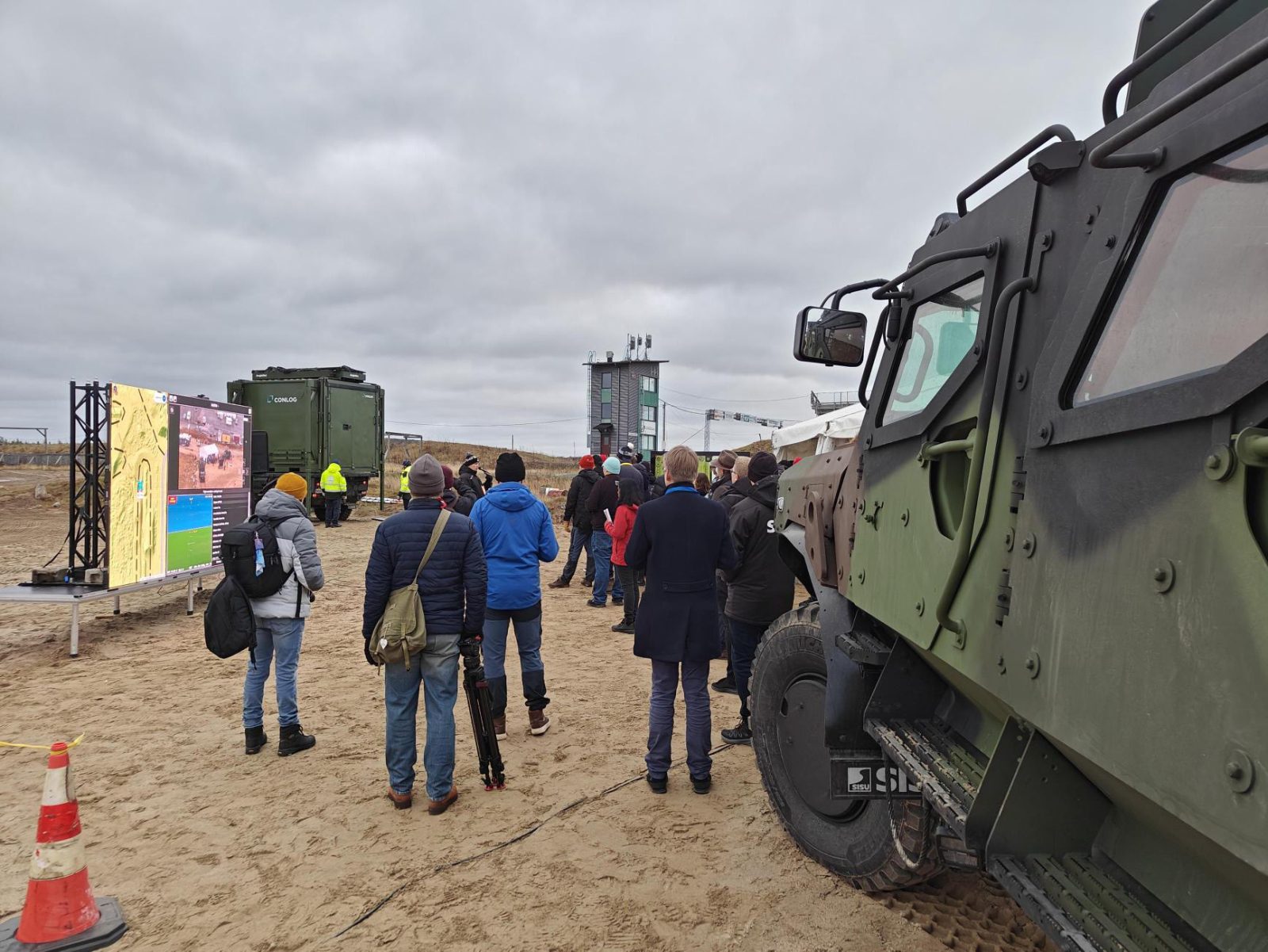
Future defence and security technologies were demonstrated in real-world conditions in Oulu, within OuluZone’s recently named Base Aurora test environment.
The NATO Innovation Range (NIR) Capability Demonstrator showcased how the technological expertise of companies and the test environment of Base Aurora are combined to develop sophisticated defence and security technologies. Base Aurora brought together industry developers, research organisations, national stakeholders and experts from NATO and allied nations.
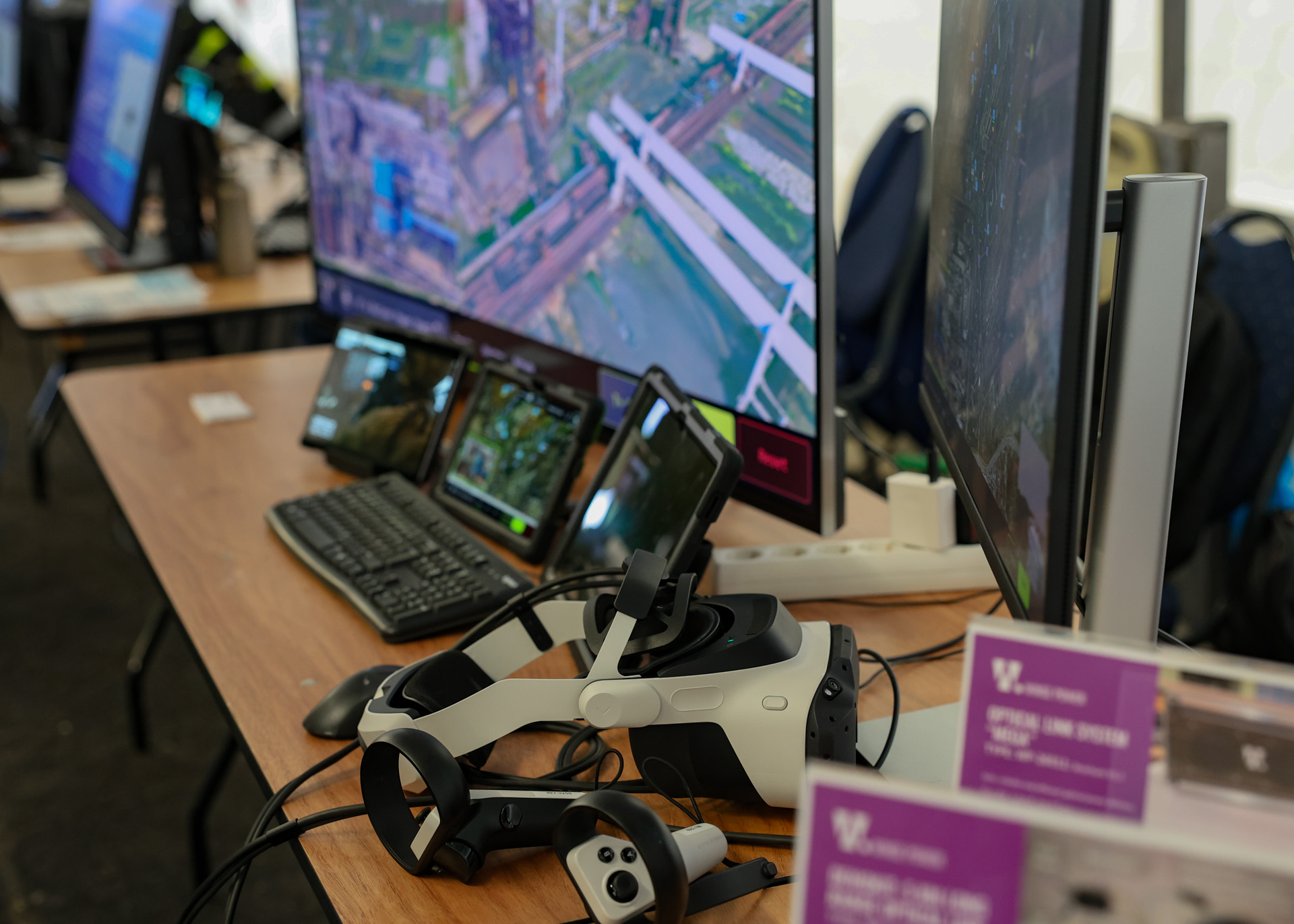
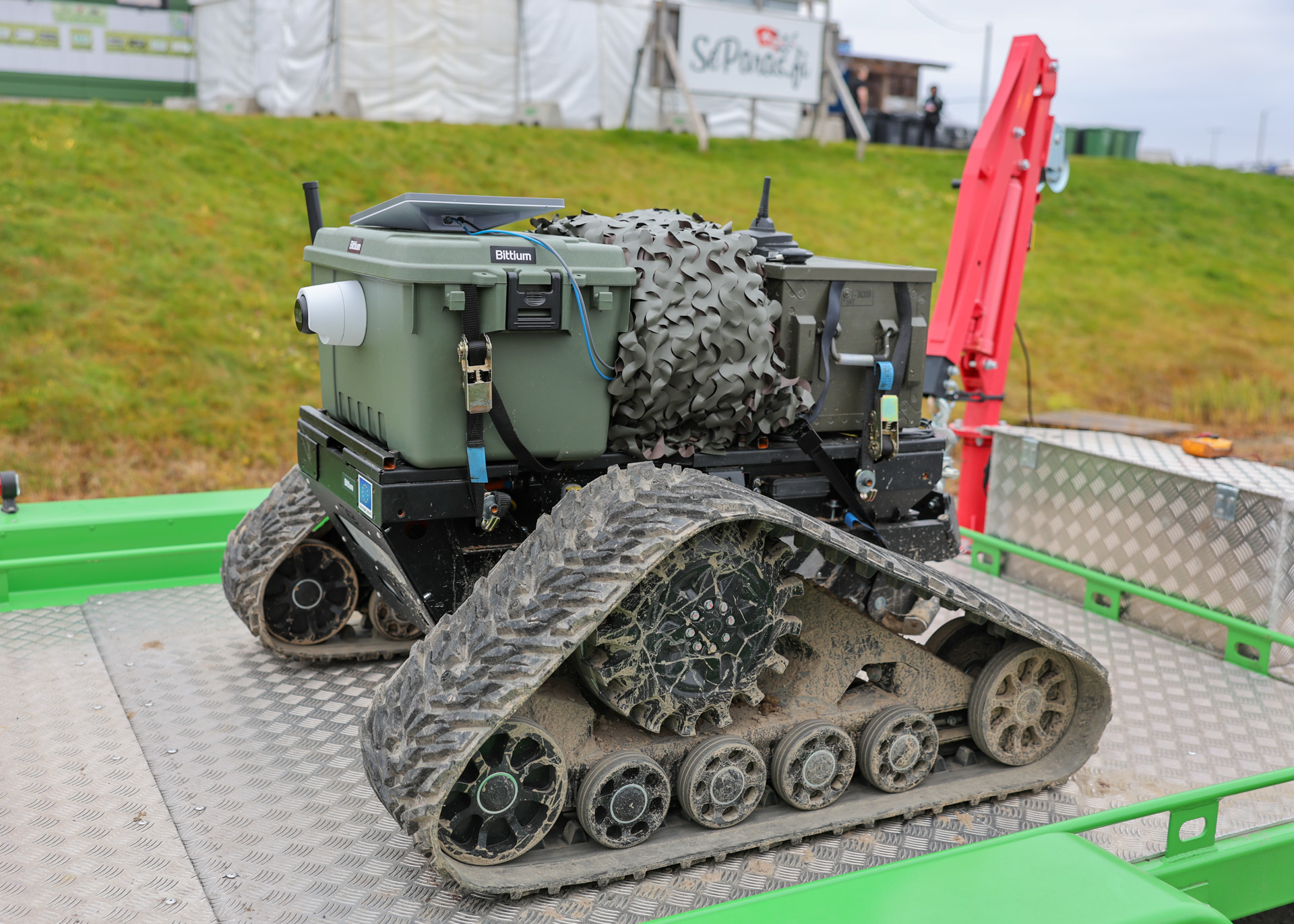
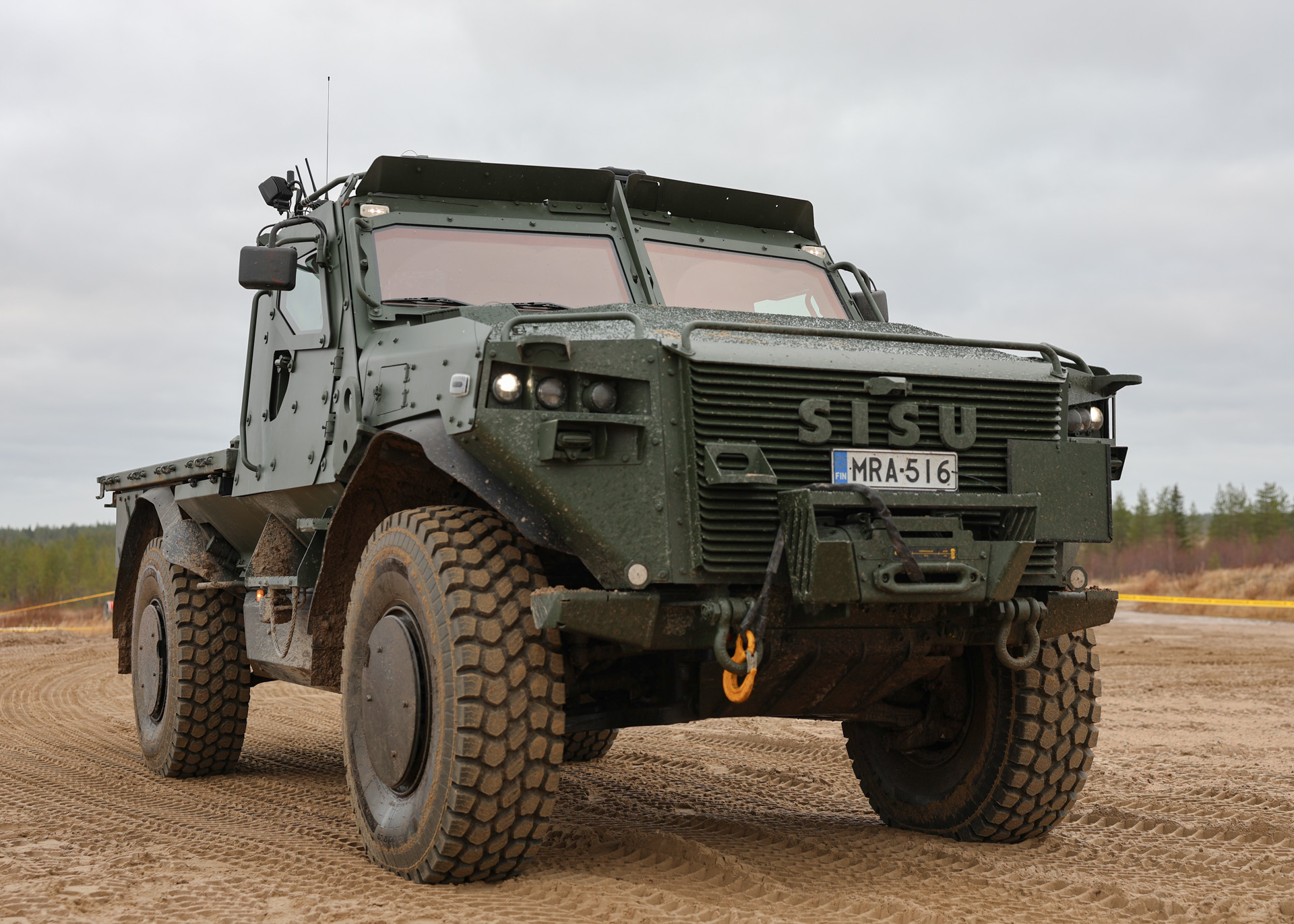
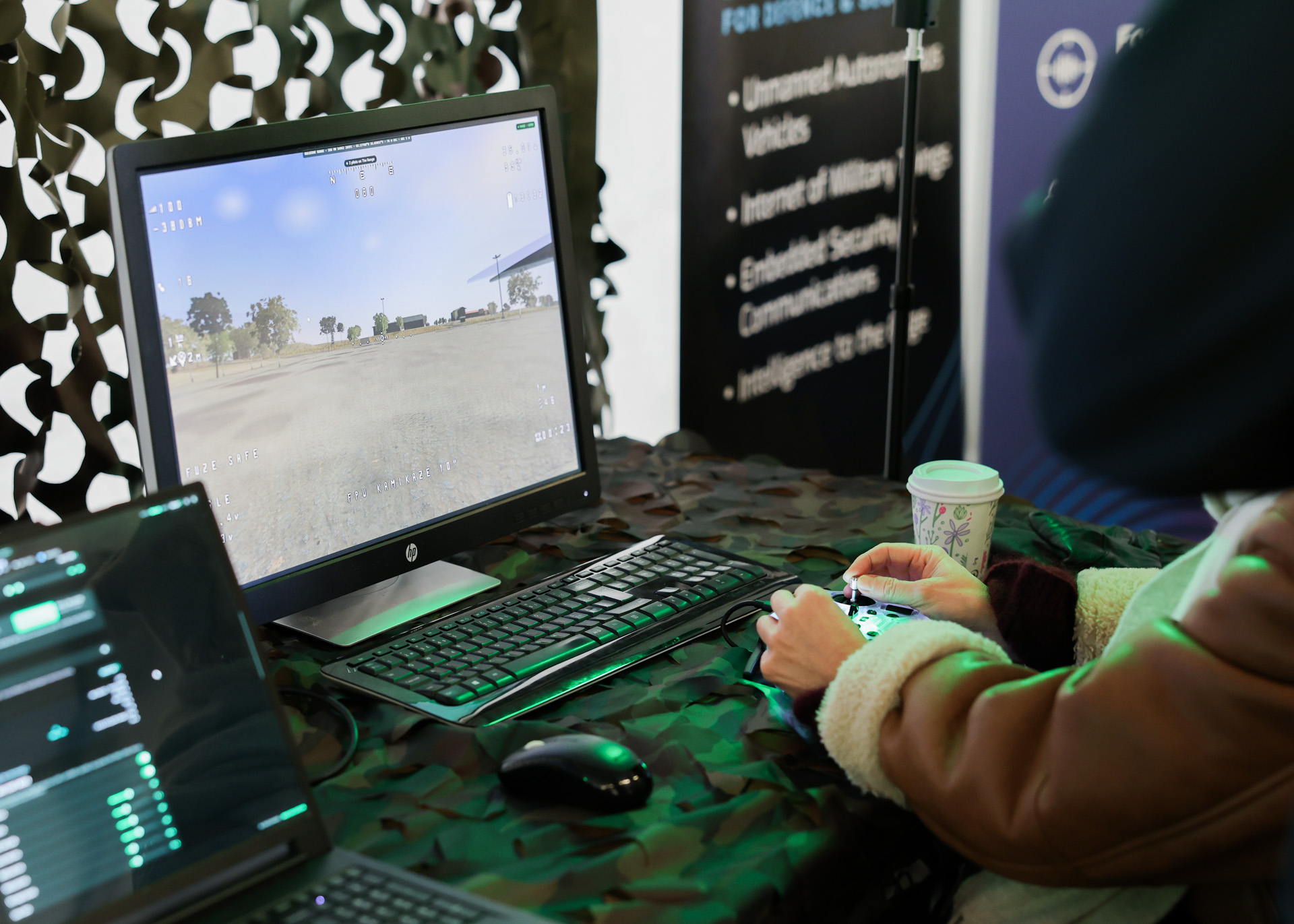
The test area demonstrated the interoperability of various technologies and systems in changing situations where communications may also be disrupted. Practical demonstrations showcased fault-tolerant data transmission, autonomous systems, artificial intelligence, sensor fusion, and the interoperability of unmanned systems.
The aim of the event was to showcase the NIR Future Connectivity (NIR FC) initiative and Finland’s national testing, evaluation, validation and verification capabilities (TEVV). In her opening address on Thursday, Sara Kajander, Deputy Director-General of the Resource Policy Department at the Ministry of Defence, spoke about multi-level cooperation both within the NIR FC initiative and with NATO. She handed over to NATO Assistant Secretary General Jean-Charles Ellermann-Kingombe, introducing him as a champion of Finland’s NIR activities – even their ‘father’ in a sense.
– Finland is demonstrating how Allies can create operationally relevant environments to test future technologies, bring together different actors and generate practical lessons for NATO. Our ambition should be to connect these Innovation Ranges, testbeds and experimentation sites into a wider Alliance network, enables Allies to share expertise and lessons learned, avoid duplication, and build on each other’s results, Ellermann-Kingombe outlined.
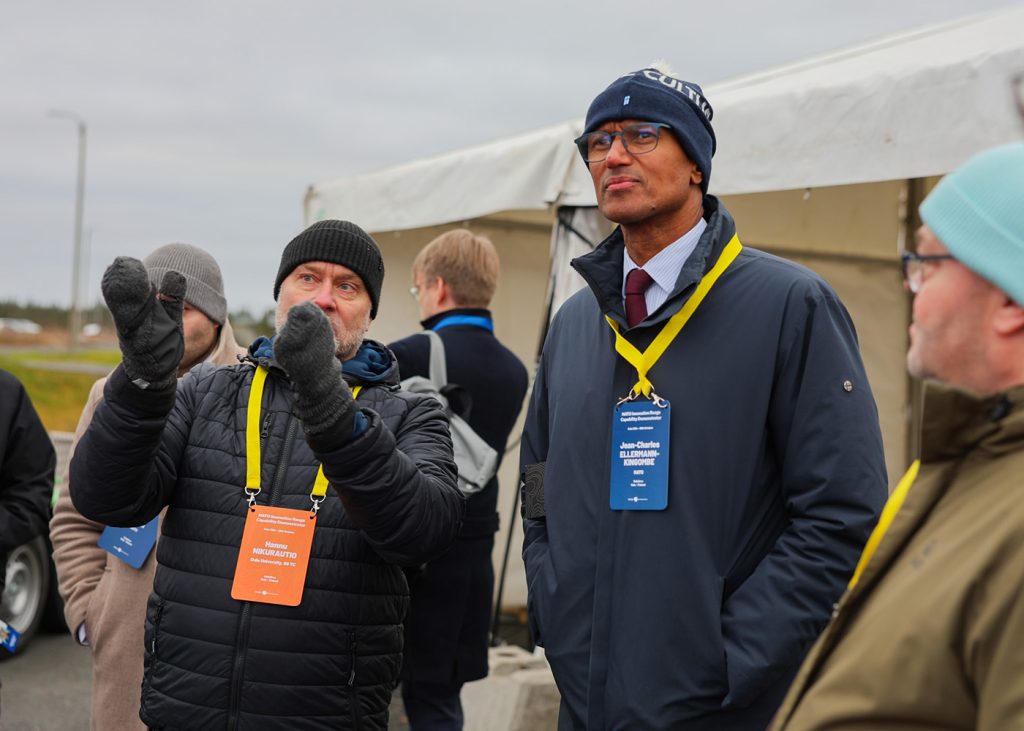
NATO Assistant Secretary General Jean-Charles Ellermann-Kingombe (centre in the photo) was introduced as a champion for Finland’s NIR activities.
According to the Assistant Secretary General for Cyber and Digital Transformation, this is particularly important for the development of next-generation communication networks (NGCN), the broader strategy and objectives for which were approved by NATO’s Defence Ministers in June 2026. The Innovation Ranges play a key role in the journey towards the strategy’s objectives.
Demonstrations at the heart of the Future Connectivity theme
The ‘Future Connectivity’ programme examines the interoperability of future communication technologies and autonomous systems. One of the demos at the test event, “The Network Never Dies”, focused on connectivity continuity in a demanding operational environment. The live video feed remained available even as the connection switched between the 5G network, a tactical network and a satellite link. The demo showed how data transmission can be kept operational even when the primary connection is disrupted or lost.
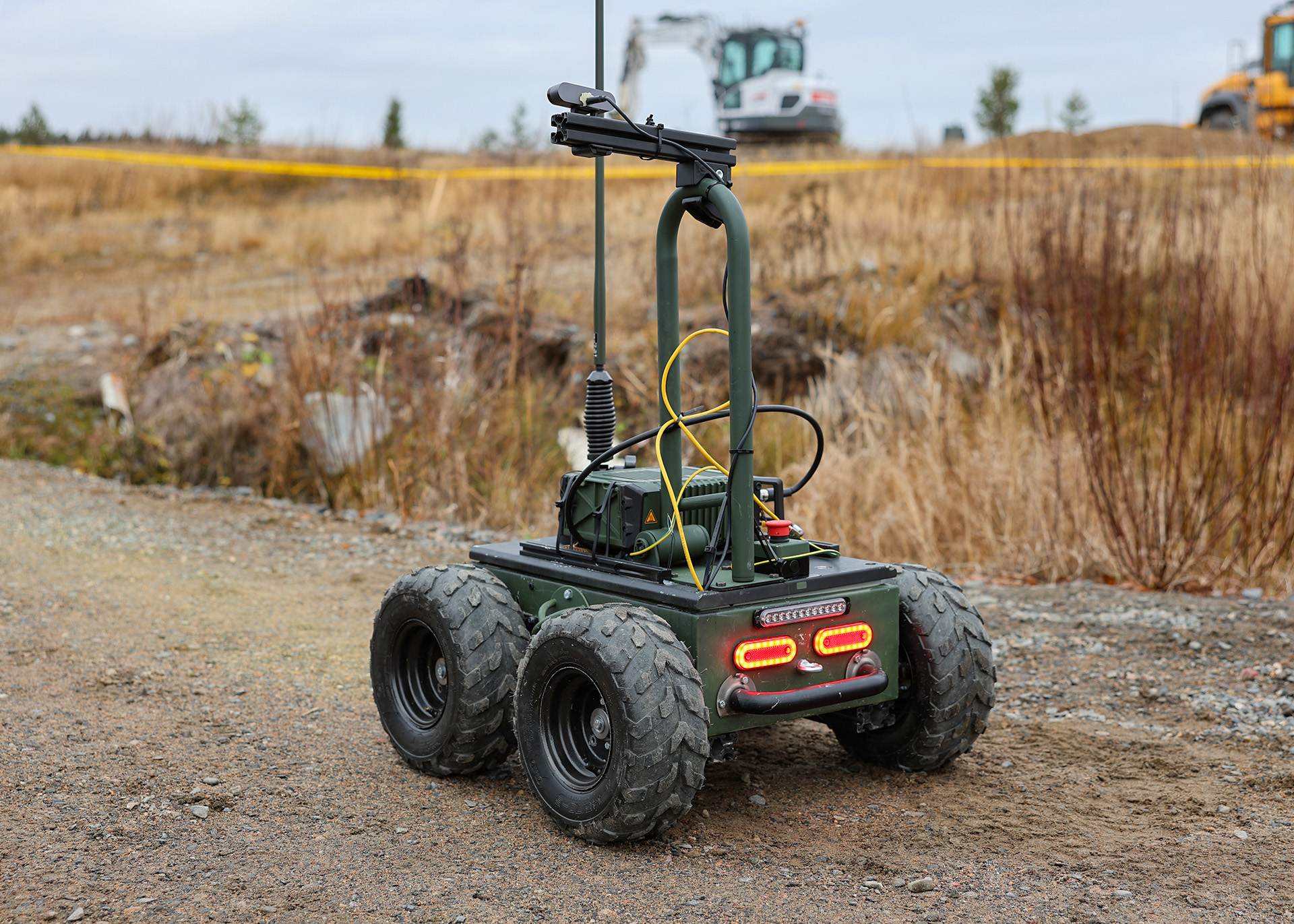
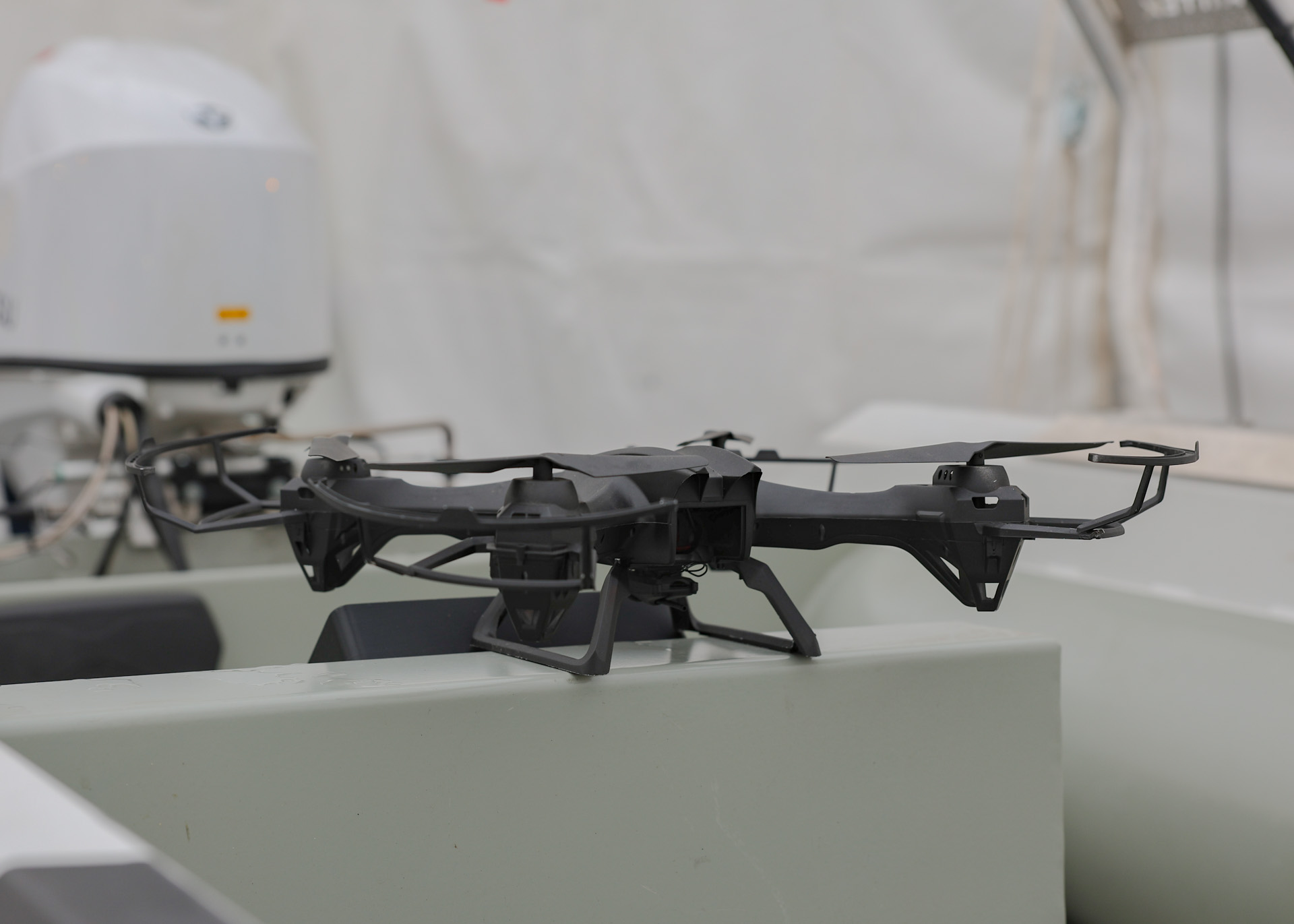
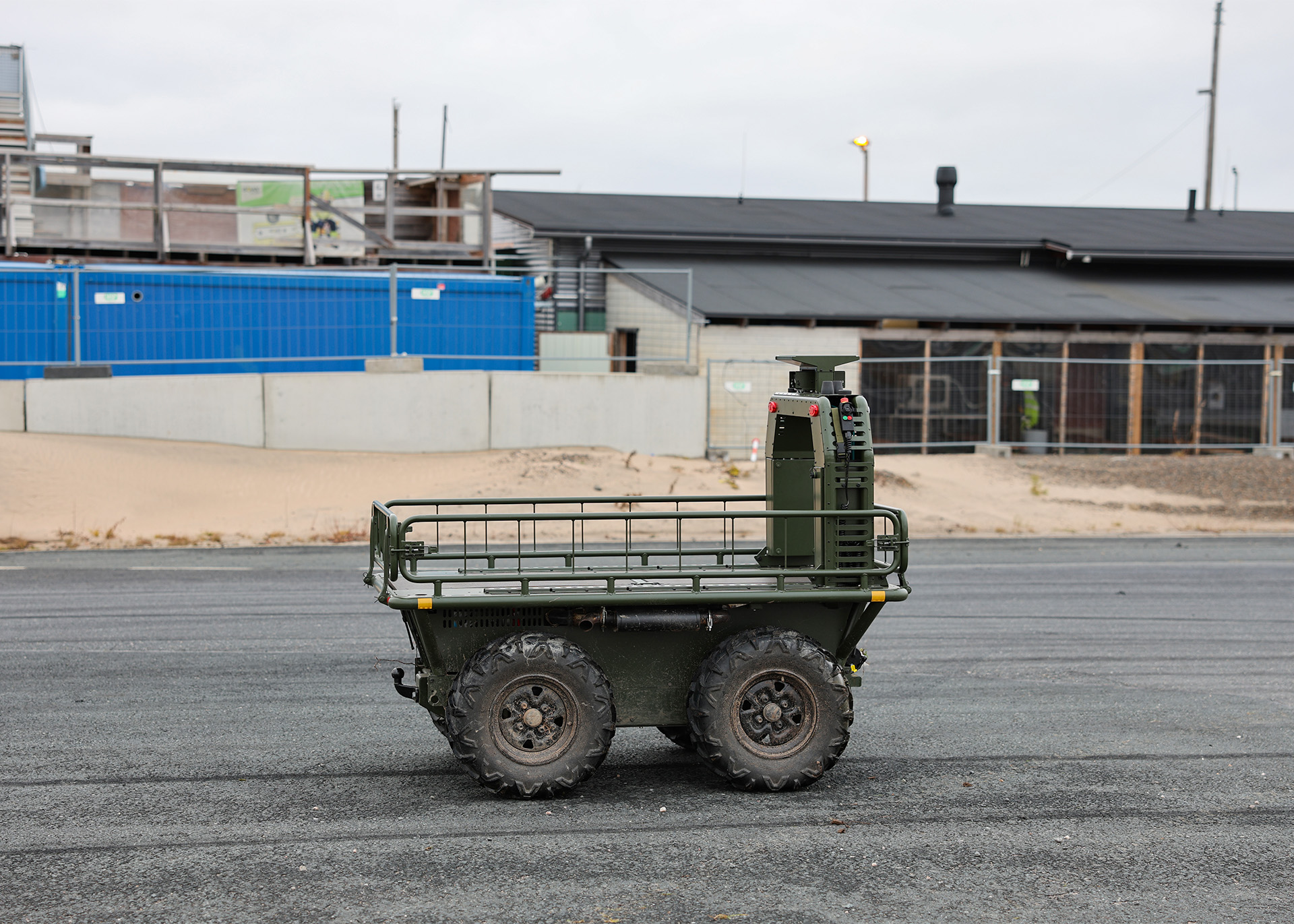
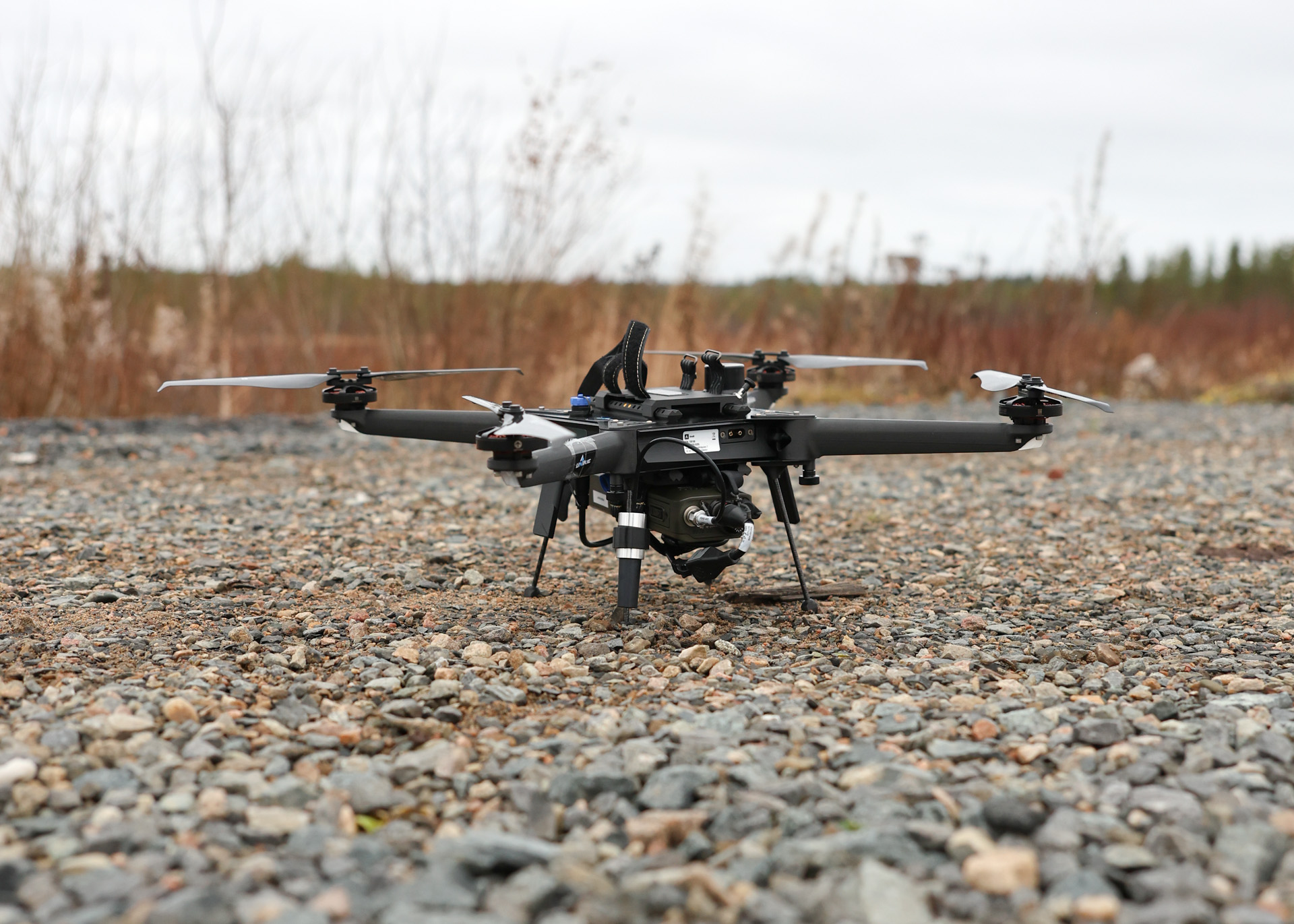
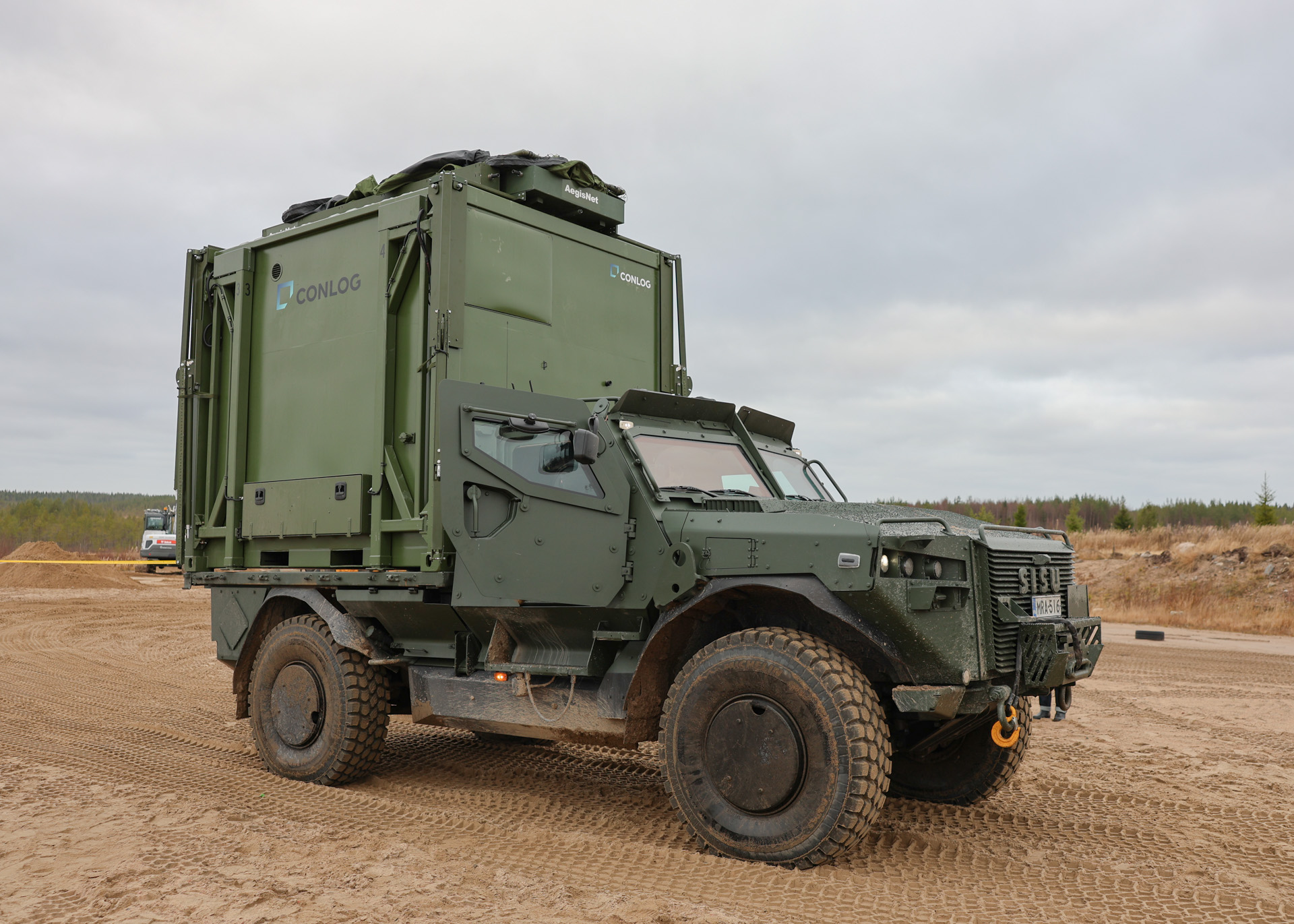
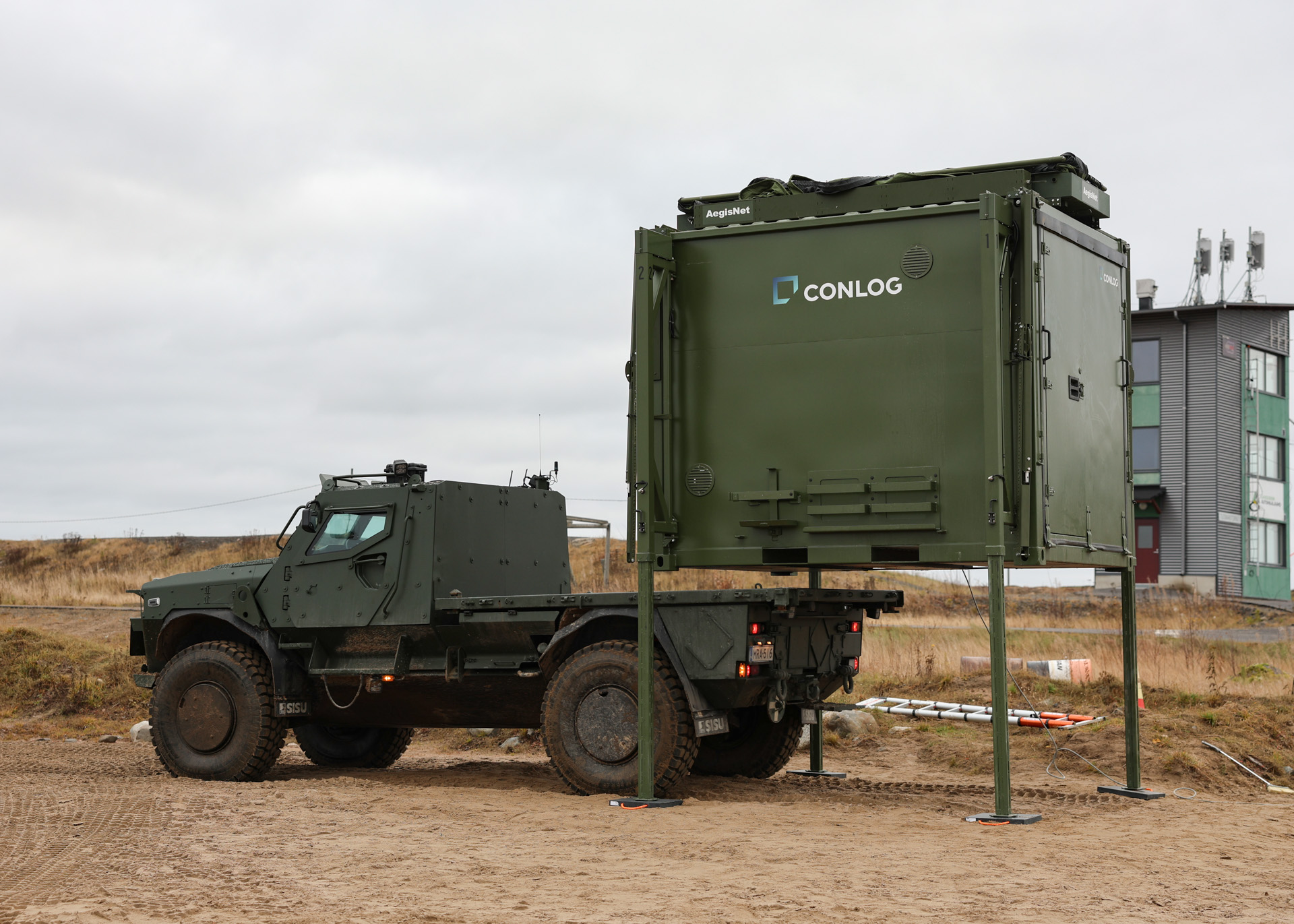
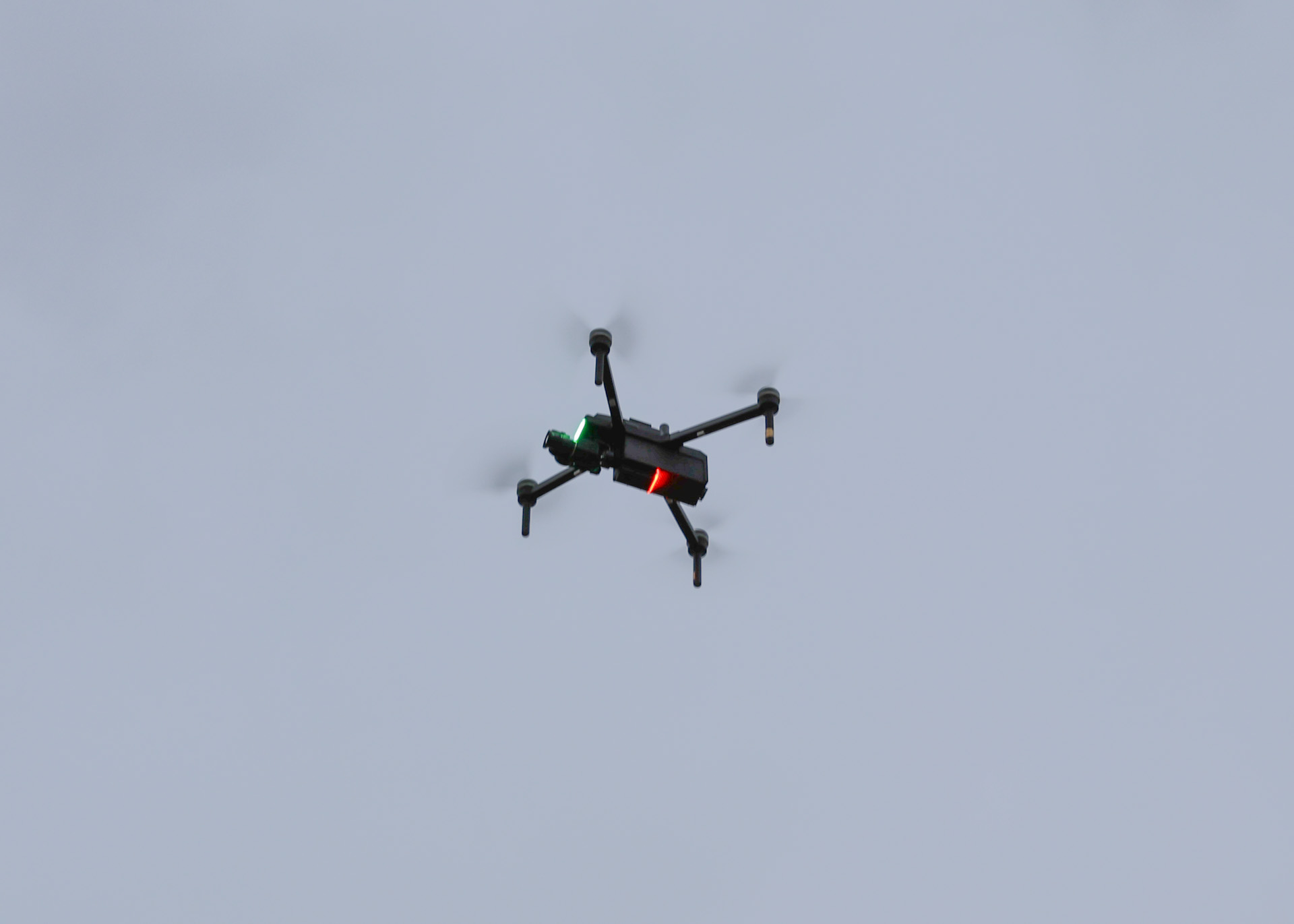
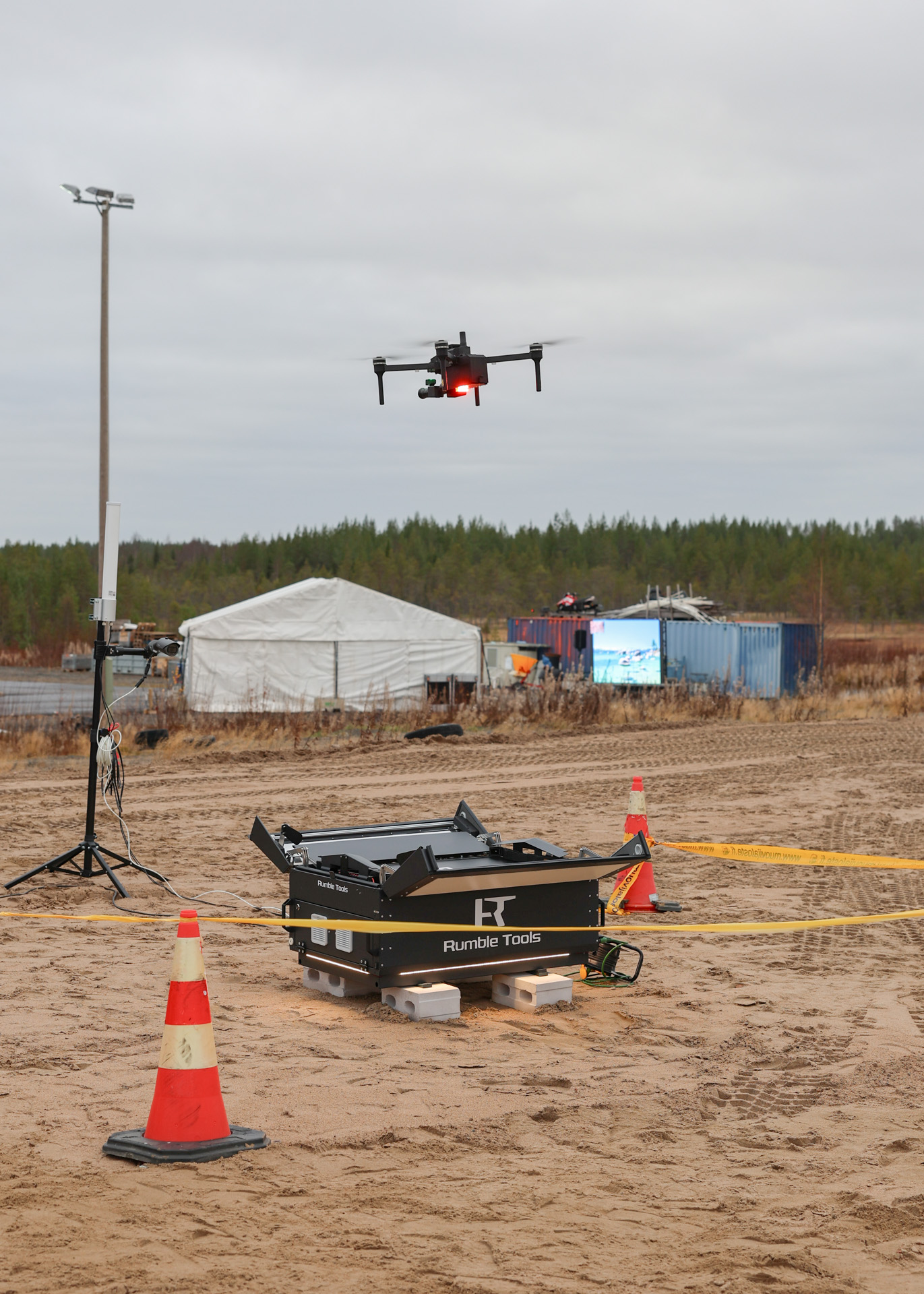
Another scenario examined the ability of autonomous systems to establish a shared situational awareness. In the “Eyes at the Edge” demo, a reconnaissance drone secured the area before an unmanned systems support container was positioned at the edge of the forest. The container served as a base for the drone and an unmanned ground vehicle. On a display aggregating information, observations from the air and ground were combined into a shared situational awareness picture, and AI based on edge computing identified a reconnaissance vehicle moving within the area.
Autonomy supports operations, but decision-making rests with humans
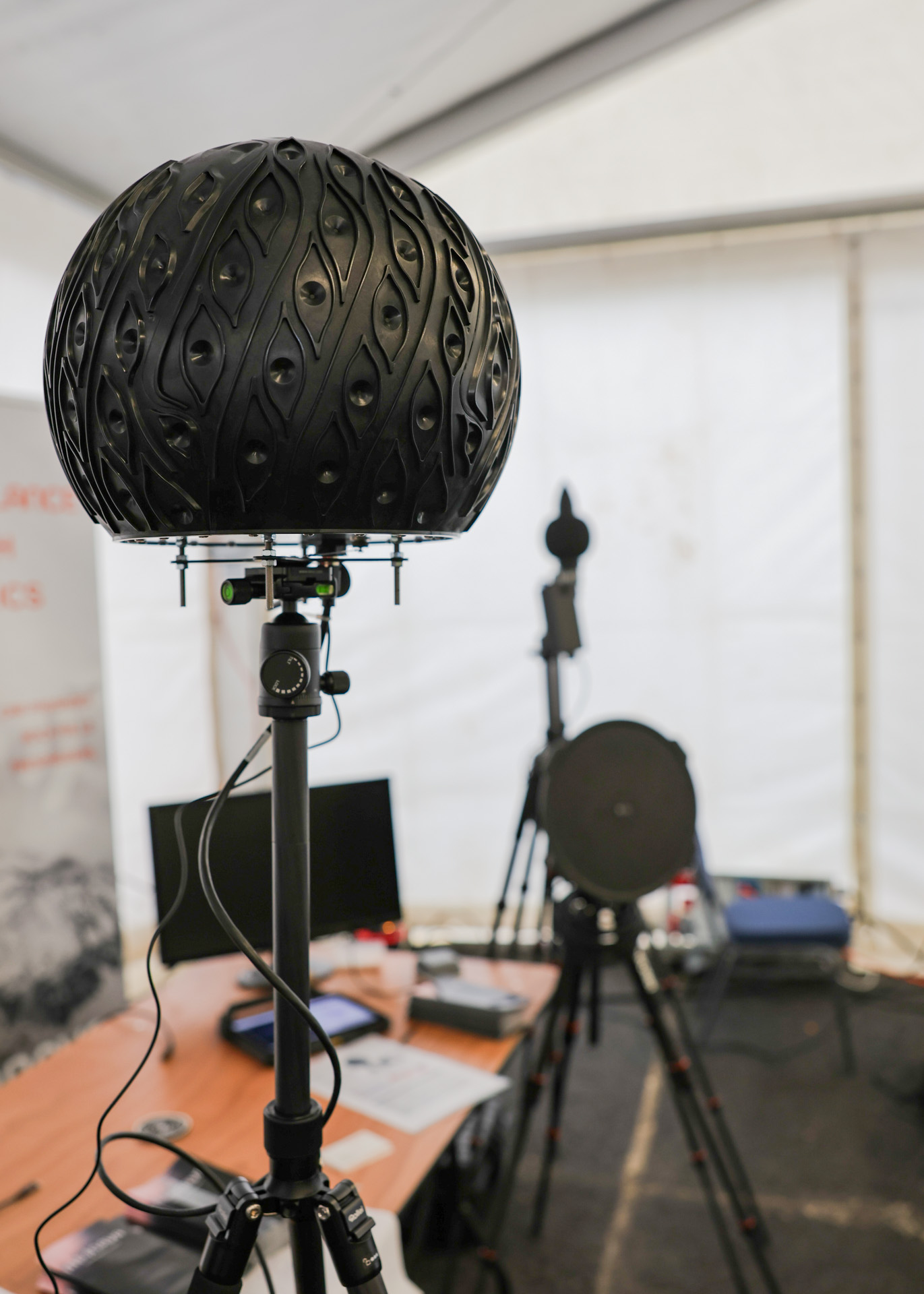
The “Autonomous ISR Chain” demonstration combined several technologies into a single operational system. The chain included, amongst other things, a motion sensor, sensor fusion, voice control, autonomous command and control, a reconnaissance drone, edge-computing AI, and tactical data transmission.
The scenario was based on the detection of a threat and the system’s autonomous response. The technologies established a shared situational awareness within minutes and enabled the intelligence mission to be carried out. The mission proceeded autonomously, but decision-making remained the responsibility of humans.
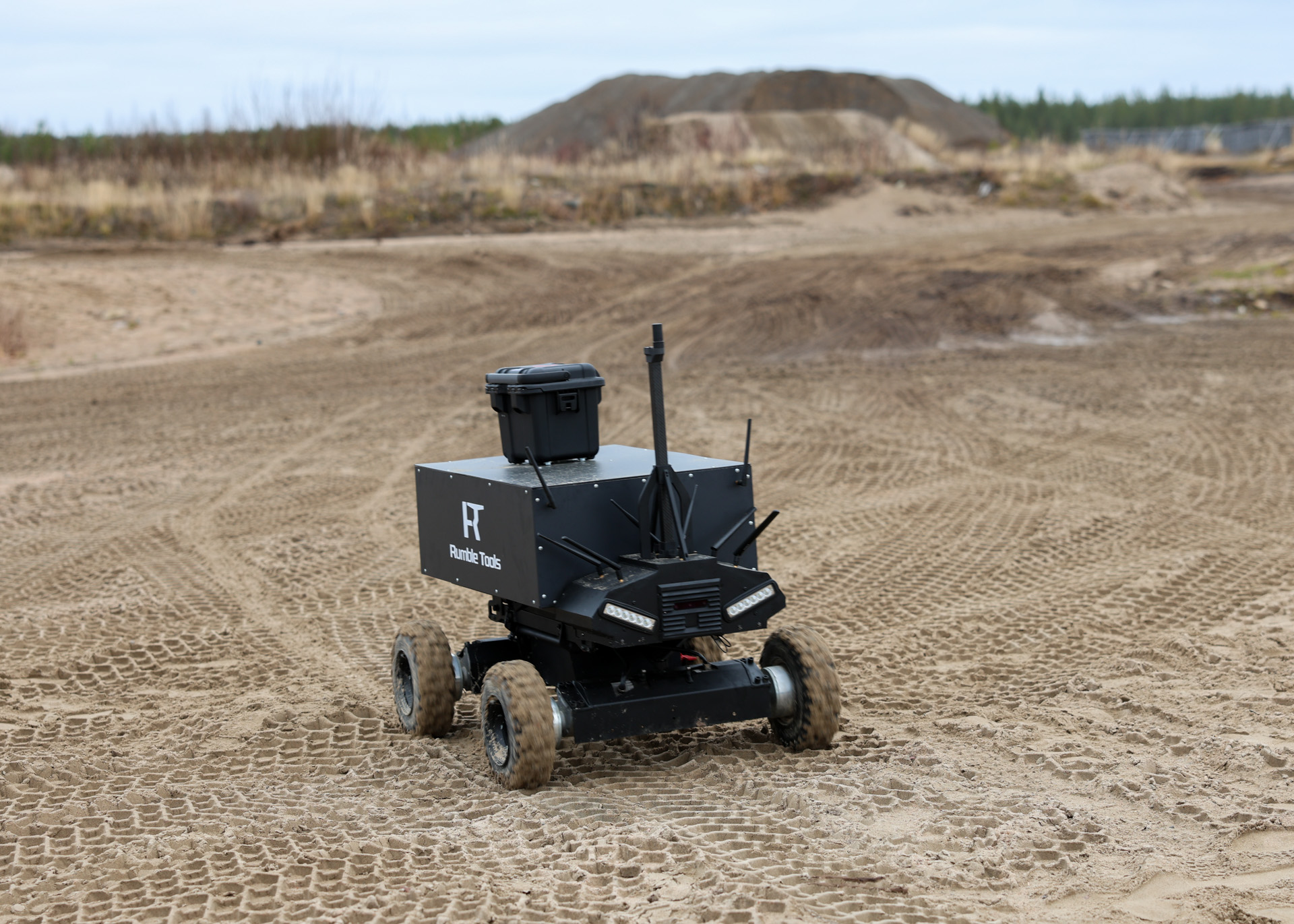
The “Eyes Beyond the Network” demonstration also examined intelligence and command and control operations in a situation where available data transmission is limited. An autonomous ground drone identified a target vehicle in the terrain using its own cameras and AI based on edge computing. The system relayed the information to the command centre, and a withdrawal order could be sent back via the same connection.
The “Arctic Engineering” demo focused on the use of autonomous and remotely operated machinery in field operations. An autonomous excavator dug a trench required for a protective structure, whilst a remotely operated wheel loader prepared a launch site for drones. The test events demonstrated how heavy machinery can be utilised autonomously or via remote control in tasks where the aim is to reduce manual labour and staff exposure to risks in the operating environment.
The Oulu test environment brings technology out of the laboratory and into real-world operating conditions
Base Aurora’s strength as a test environment lies in the size of the OuluZone area, its versatile infrastructure and the possibility to integrate different technologies into a single system. The potential of the test environment is complemented by the Oulu region’s strong expertise in wireless communications, digital technologies, artificial intelligence, autonomous systems, sensor technology, and edge computing.
– Finland’s NATO membership has opened new opportunities for cooperation, and the NIR events demonstrate what this cooperation means in practice. My message is that Oulu is ready to participate. We have the expertise and the framework, but above all, we are ready to work together, summarised Ari Alatossava, Mayor of Oulu, at the conclusion of his speech.
The NATO Innovation Range Capability Demonstrator event was held on 28–29 October 2026 at OuluZone’s Base Aurora. The Defence Administration, BusinessOulu, the Digital Defence Ecosystem (DDE) and DEFINE were responsible for the event’s practical arrangements, in collaboration with NATO.