

The UN Environment Programme’s “50@50” initiative brings together more than 50 cities from around the world to share their solutions for preparing for extreme heat. Oulu is the only city from the Nordic countries participating.
Extreme heat is a growing risk for cities around the world. Many cities are already experiencing conditions equivalent to temperatures as high as 50 °C, and the heat is affecting people’s health, infrastructure, and daily life. At the same time, cities play a key role in developing solutions.
World Environment Day was celebrated on Friday, June 5, marking the launch of the “50@50” partnership initiated by the United Nations Environment Programme (UNEP), which brings together more than 50 cities from around the world to share their solutions for preparing for extreme heat.
Oulu is the only Nordic participant
The initiative is aimed at both cities that are already experiencing conditions equivalent to 50 °C and wish to showcase and strengthen their actions, as well as those that are preparing for rising temperatures and striving to build resilience. The international network includes cities from around the world, such as Paris, Melbourne, Tokyo, and Warsaw.
– Oulu was invited to join the network because extreme heat is also experienced in the north. We are now the only city representing the Nordic countries in this international group, says Oulu City Architect Sanna Pääkkönen.
Changes have already been made
The network’s goal is to promote practical solutions, raise awareness, and encourage local action. In Oulu, too, the urban environment is being actively developed to better withstand extreme weather events and provide a pleasant environment for residents and visitors.
– In Oulu, the heat is particularly noticeable during prolonged heat waves and as excessive rises in indoor temperatures in buildings. Children, the elderly, and the sick are particularly affected by these impacts. In the Oulu-based solutions featured on the global map, we present plans where trees provide shade and residents can spend time by the water. We also outline our goals for preventing buildings from overheating and improving cooling, Pääkkönen explains.
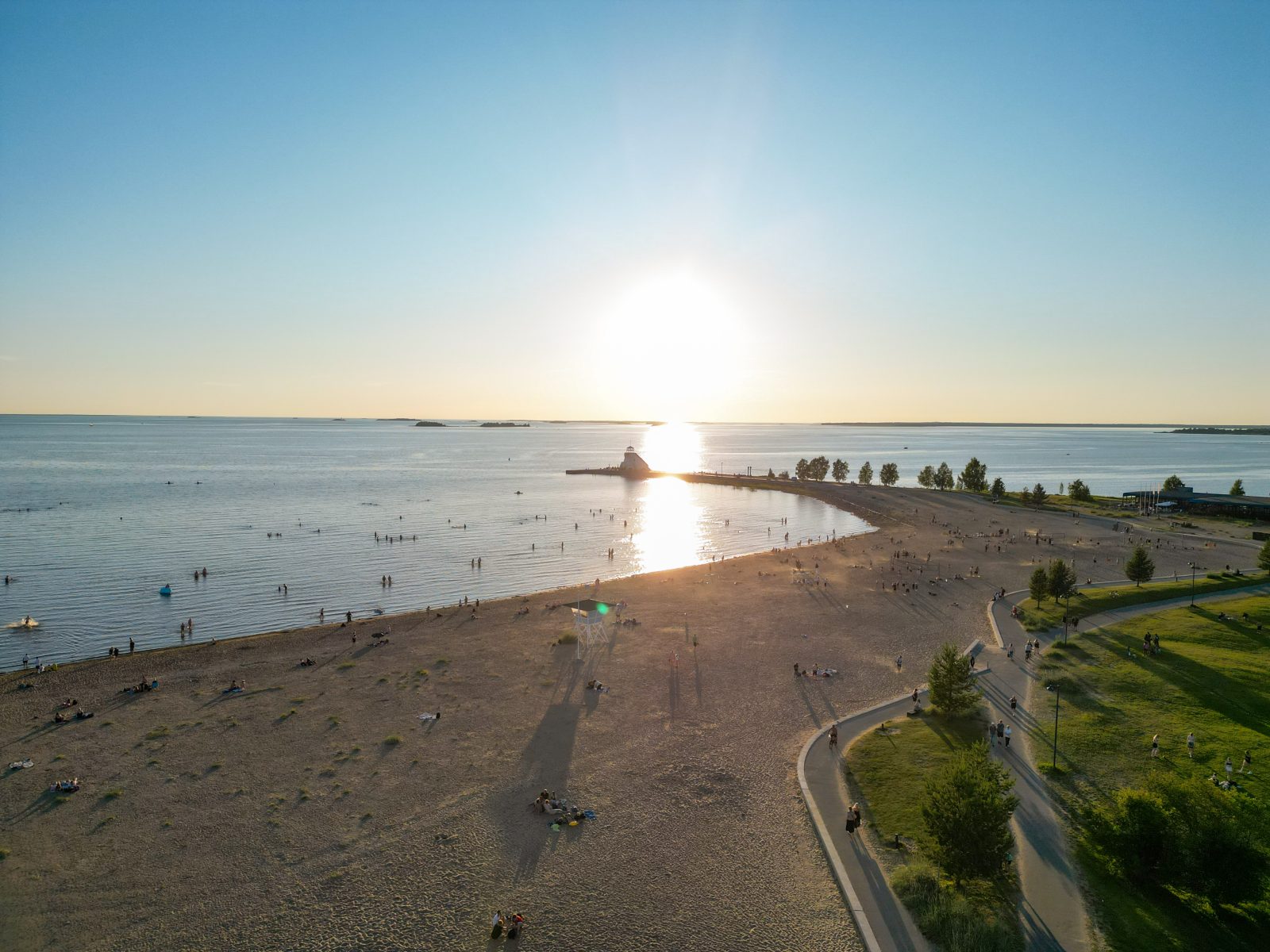
For example, in the renovation of Isokatu, street greenery is being added to the urban space and rest areas are being created for pedestrians, which improve the usability of the urban space even on hot days. In the already completed renovation of Nallikari Beach, the waterfront was redesigned to be a more pleasant place to spend time: traffic arrangements were improved, public squares were created in the area, and shade was added through pergola structures and tree plantings.